
Breast Health Check
Have you ever thought about getting yourself checked

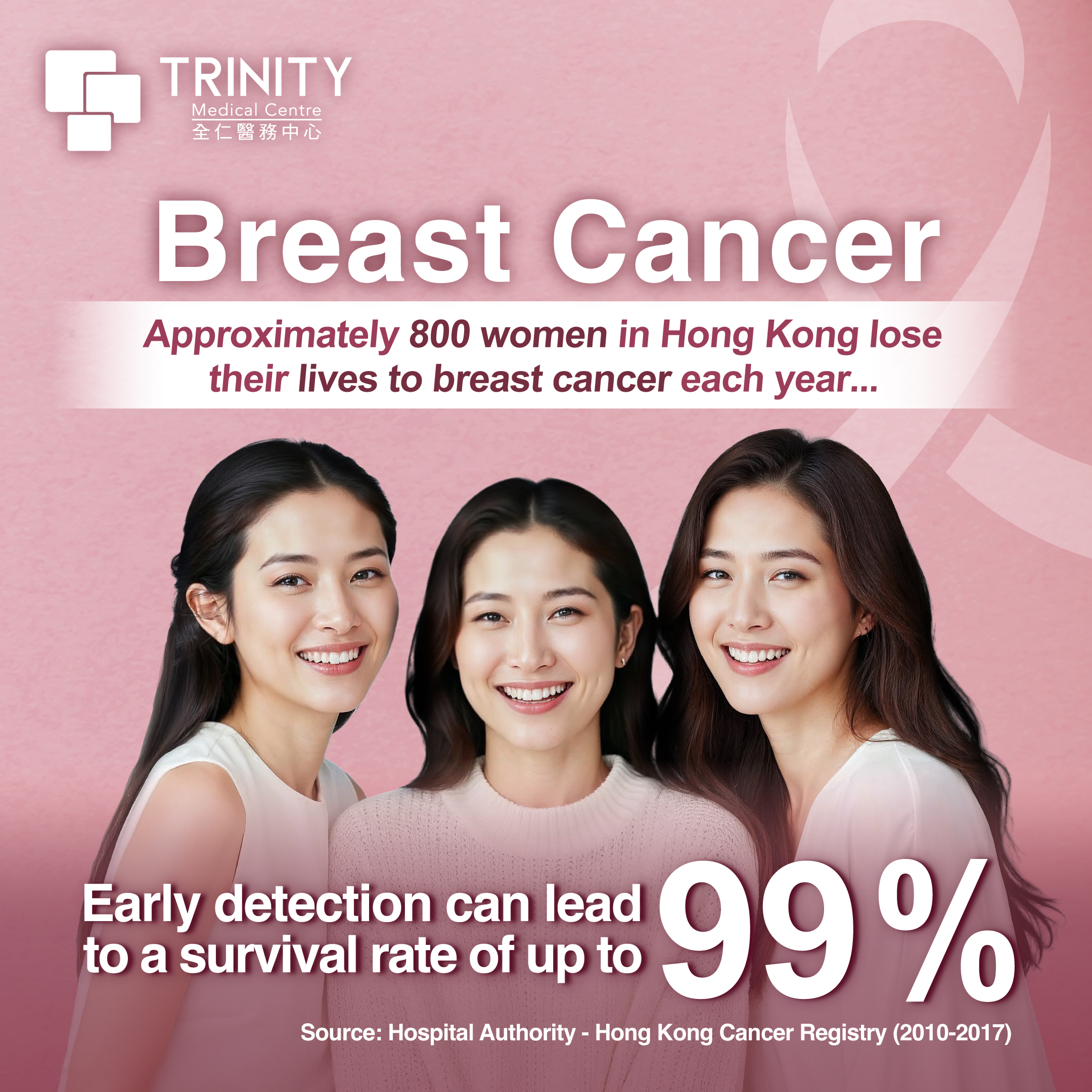
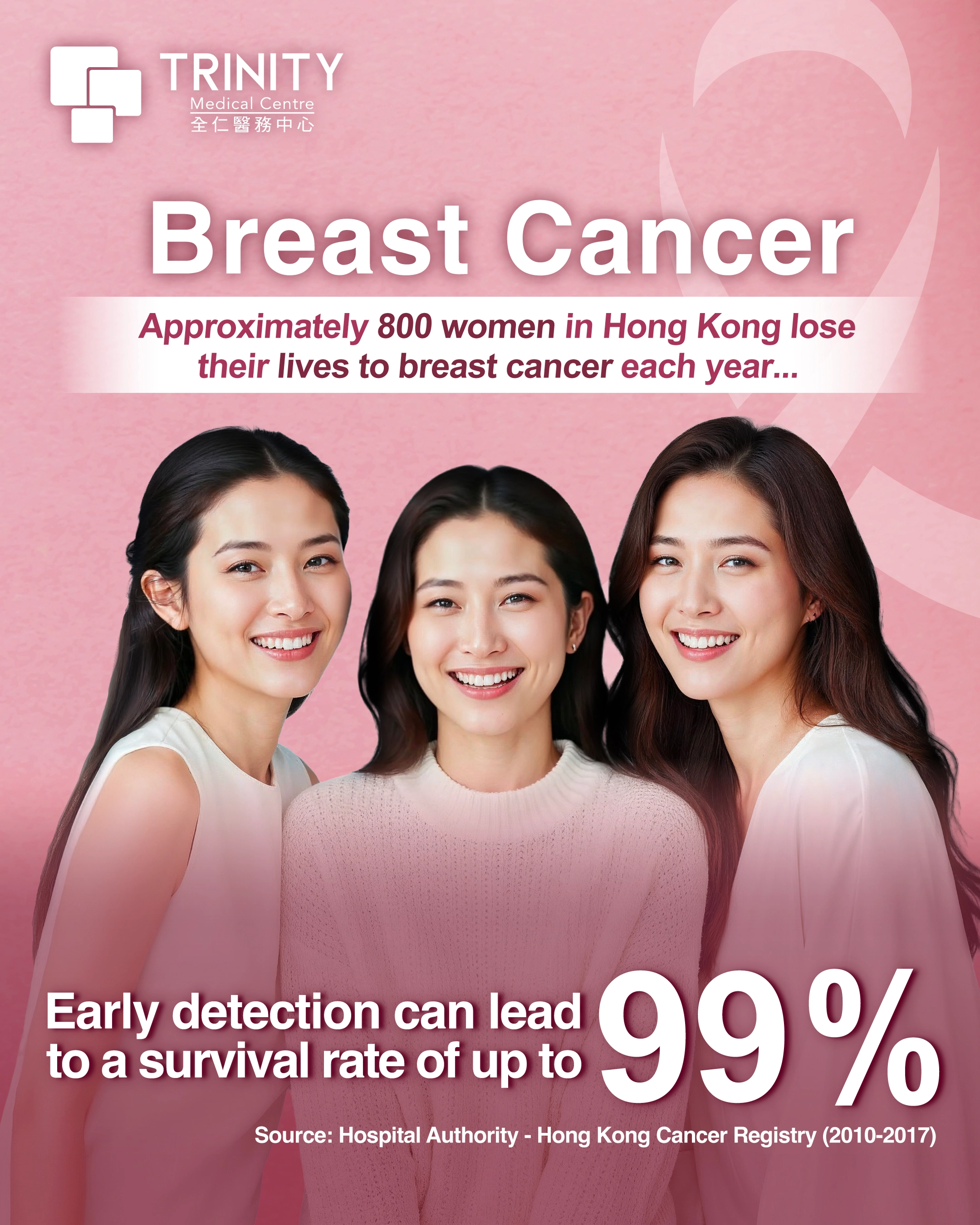
Breast cancer is the most common cancer among women in Hong Kong. Currently, 1 in every 14 women in Hong Kong may develop breast cancer. Patients diagnosed with stage I breast cancer have a five-year survival rate of 99.3%.

Breast cancer is actually closer to our lives than we imagine. The threat is everywhere, reminding us not to take it lightly.
28.6%
of newly diagnosed female cancer cases are breast cancer
99.3%
Stage I five-year survival rate
1/14
Female risk of developing Breast cancer
28.6%
of newly diagnosed cancer cases in 2022 were breast cancer

Breast Cancer Screening Recommendations for Different Age Groups

Women aged 40 or above
Women aged 30–39
Women aged 20–29

Women aged 40 or above

💡 90% of breast cancer patients are aged 40 or above.

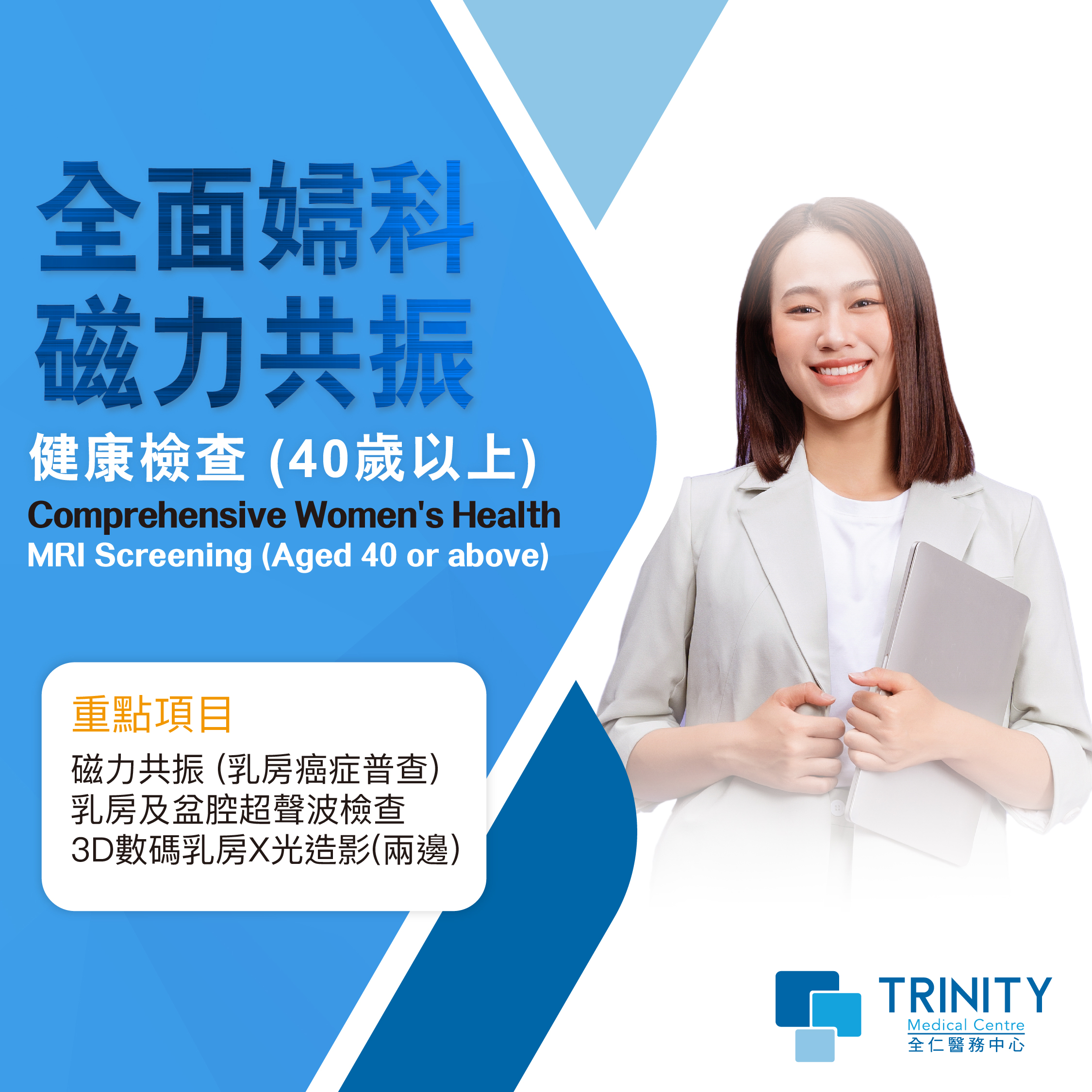
The risk of breast cancer increases significantly. It is recommended to have a 3D mammogram or breast MRI (clear and accurate) annually, supplemented by breast ultrasound for comprehensive coverage of different abnormalities. You may also add a genetic test to understand your breast cancer risk.
Recommended Checkups

Women aged 30–39

💡 The risk of breast cancer gradually increases.

For those with a family history or high-risk individuals, it is recommended to undergo a breast MRI, which can accurately detect tiny breast lesions. Adding a genetic test helps to understand breast cancer risk.
Recommended Checkups

Women aged 20–29

💡 It is recommended to have a breast ultrasound annually (safe and radiation-free).

For those with a family history, high-risk individuals, or anyone concerned about breast health, a genetic test is recommended to understand breast cancer risk.
Recommended Checkups

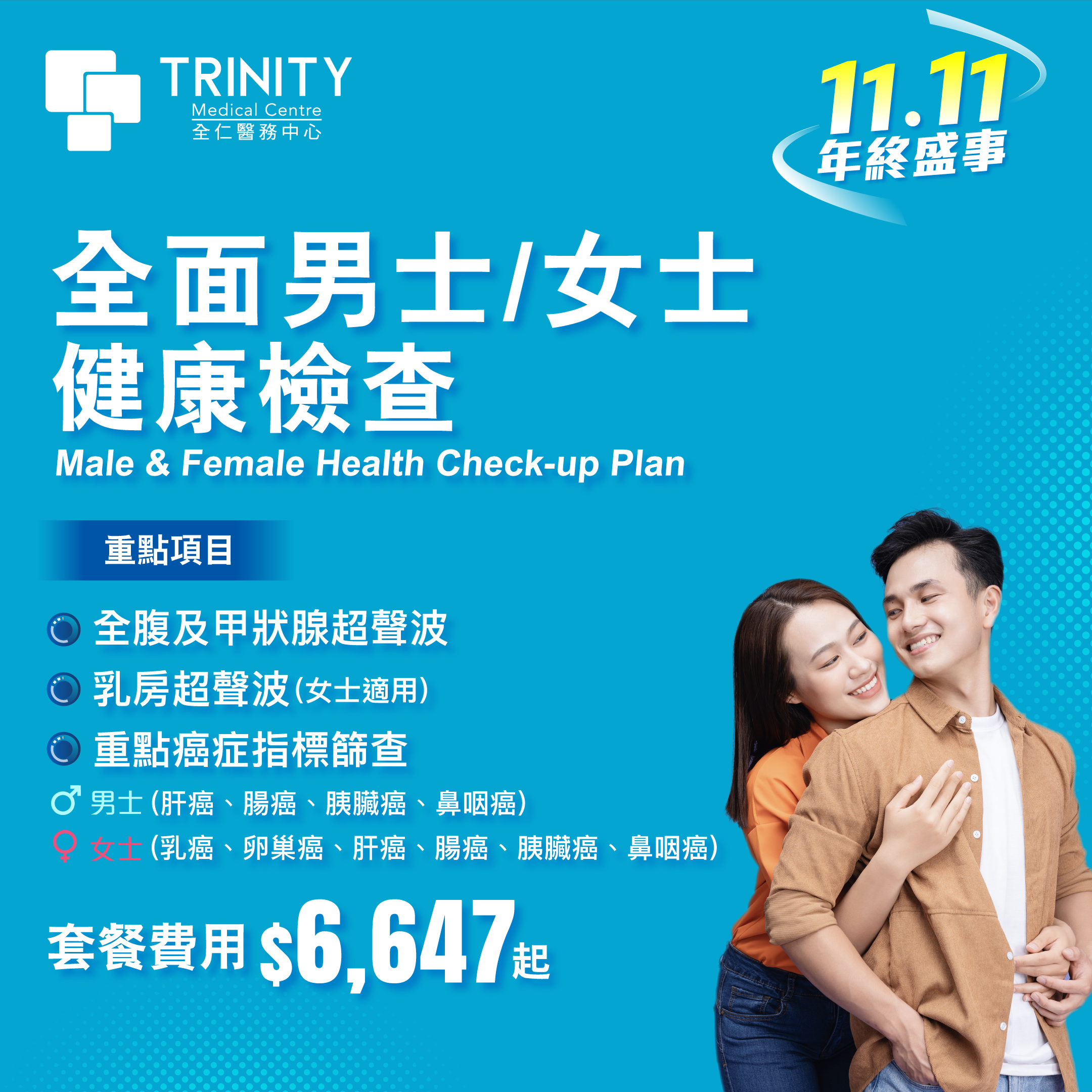
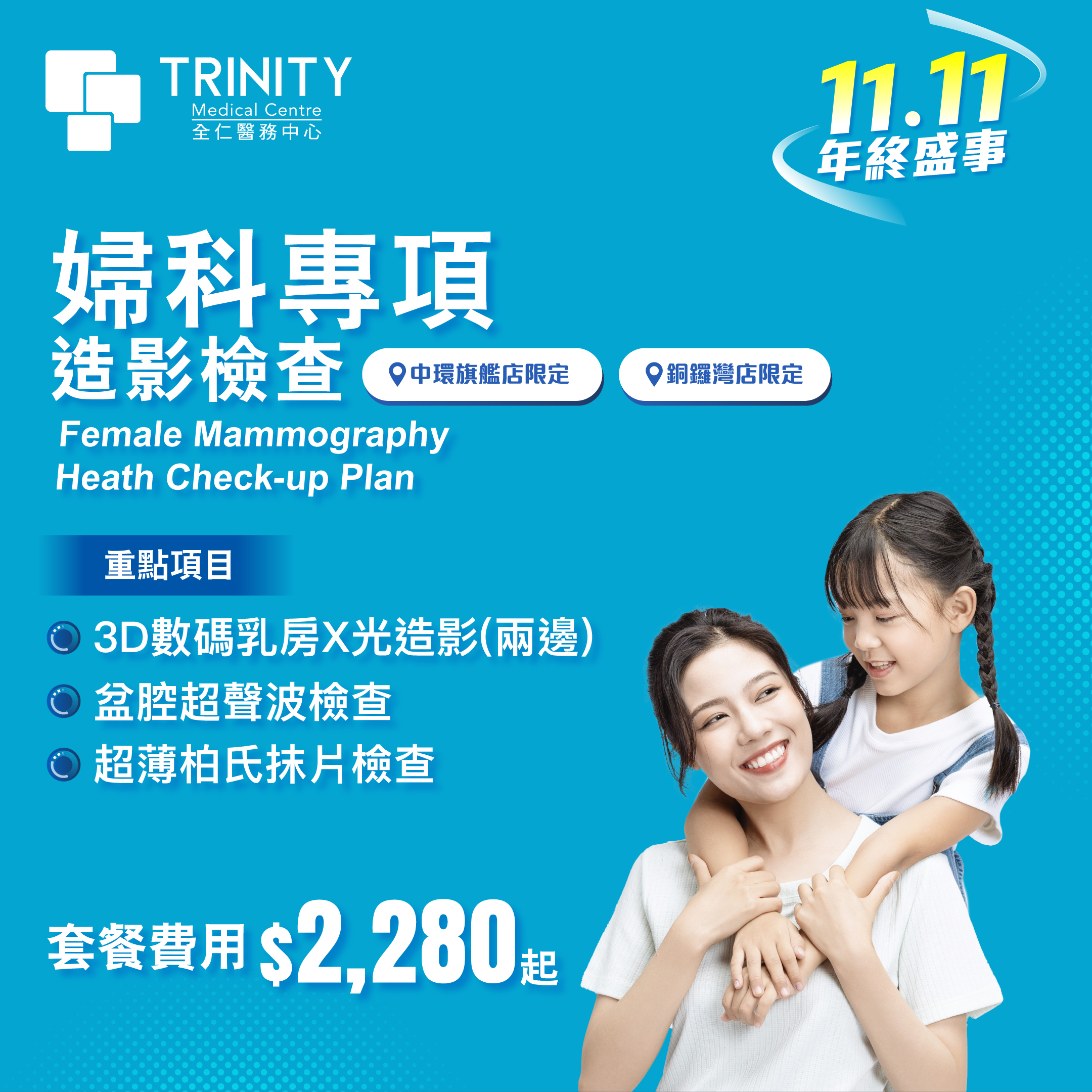
Comprehensive Gynaecological Check-up Packages by Trinity Medical Centre


Tailored according to different ages, genders, and health needs to meet your unique requirements. Consult Trinity’s Health Consultant today to learn which gynaecological check-up suits you best.


What is Breast Cancer?

Breast cancer ranks first among cancers affecting women in Hong Kong. According to 2022 data, there were 5,182 new local breast cancer cases, accounting for 28.6% of newly diagnosed cancers in women. It is also the third leading cause of cancer death, with more than 800 women dying from breast cancer every year. Studies show that about 1 in 14 women may develop breast cancer.

The breast is composed of glandular tissue, fat, and connective tissue. When the cells in the glandular tissue grow abnormally and form malignant tumours, breast cancer occurs. Early detection and treatment can help achieve a five-year survival rate of 99.3%.

Breast Cancer Stages and Survival Rates

Hong Kong adopts the internationally recognised TNM staging system for breast cancer, which assesses tumour size (T), regional lymph node status (N), and distant metastasis (M) to determine the cancer stage.
Stage 0

Carcinoma in situ, where cancer cells remain within the ductal basement layer without invasion — the earliest stage of breast cancer.

Stage I

Tumour size ≤ 2 cm, no lymph node metastasis under the armpit
Stage I: 99.3% five-year survival rate

Stage II

Tumour size > 2 cm ≤ 5 cm; or tumour < 2 cm but with cancer spread to 1–3 axillary lymph nodes.
Stage II: 94.6% five-year survival rate

Stage III

Tumour size > 5 cm, cancer spread to more than 4 axillary lymph nodes, or metastasis to the chest wall skin or supraclavicular lymph nodes.
Stage III: 76.2% five-year survival rate

Stage IV

Metastatic breast cancer that has spread to distant organs such as the liver, lungs, or bones.
Stage IV: approximately 30% survival rate

5 Common Breast Examination Methods

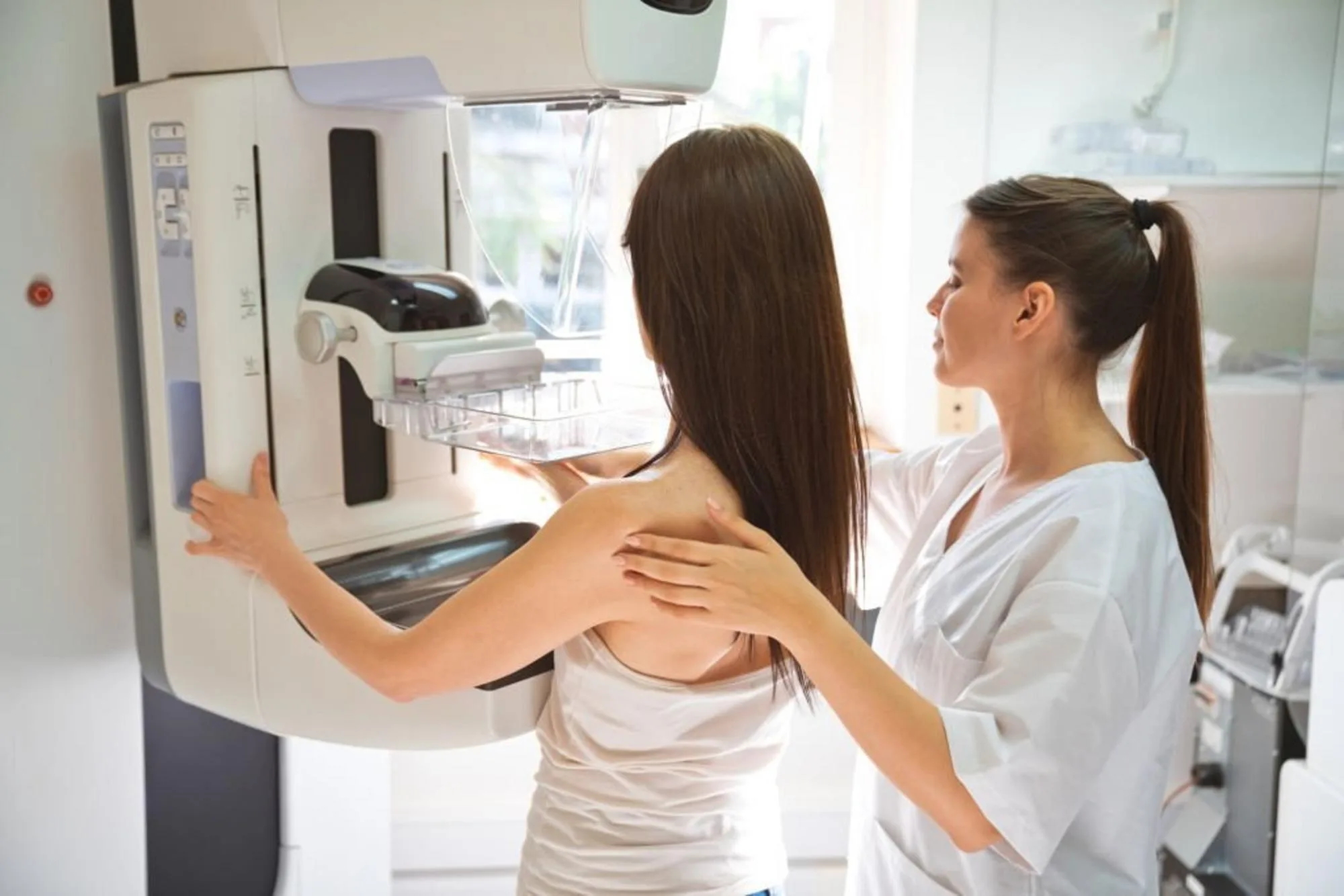
3D Mammogram

Key Screening
Uses 3D imaging technology to reduce tissue overlap and provide clearer images for more accurate detection.
Potential Conditions Detected
  • Lumps
  • Early microcalcifications

Breast Ultrasound

Key Screening
Safe and radiation-free. Uses ultrasound technology to assess breast tissue, particularly suitable for examining palpable lumps or dense breast tissue, providing clear images to differentiate lump characteristics.
Potential Conditions Detected
  • Fibrocystic changes
  • Fibroadenoma
  • Malignant tumour

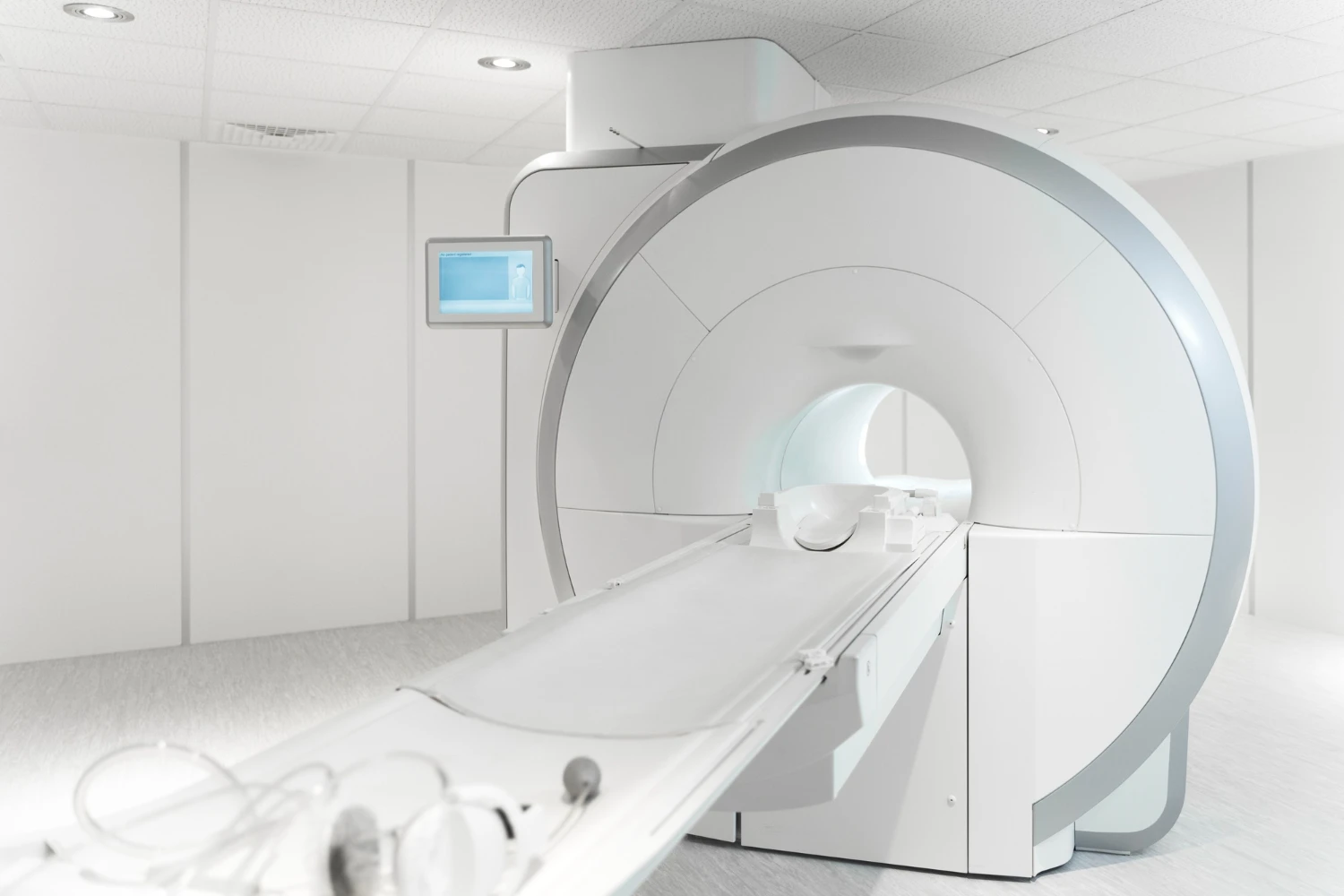
Breast MRI

Key Screening
Safe and radiation-free. Uses magnetic resonance imaging technology with over 90% sensitivity to clearly show internal breast structures and detect tiny lesions that other tests might miss.
Potential Conditions Detected
  • Small lesions
  • Non-palpable lumps

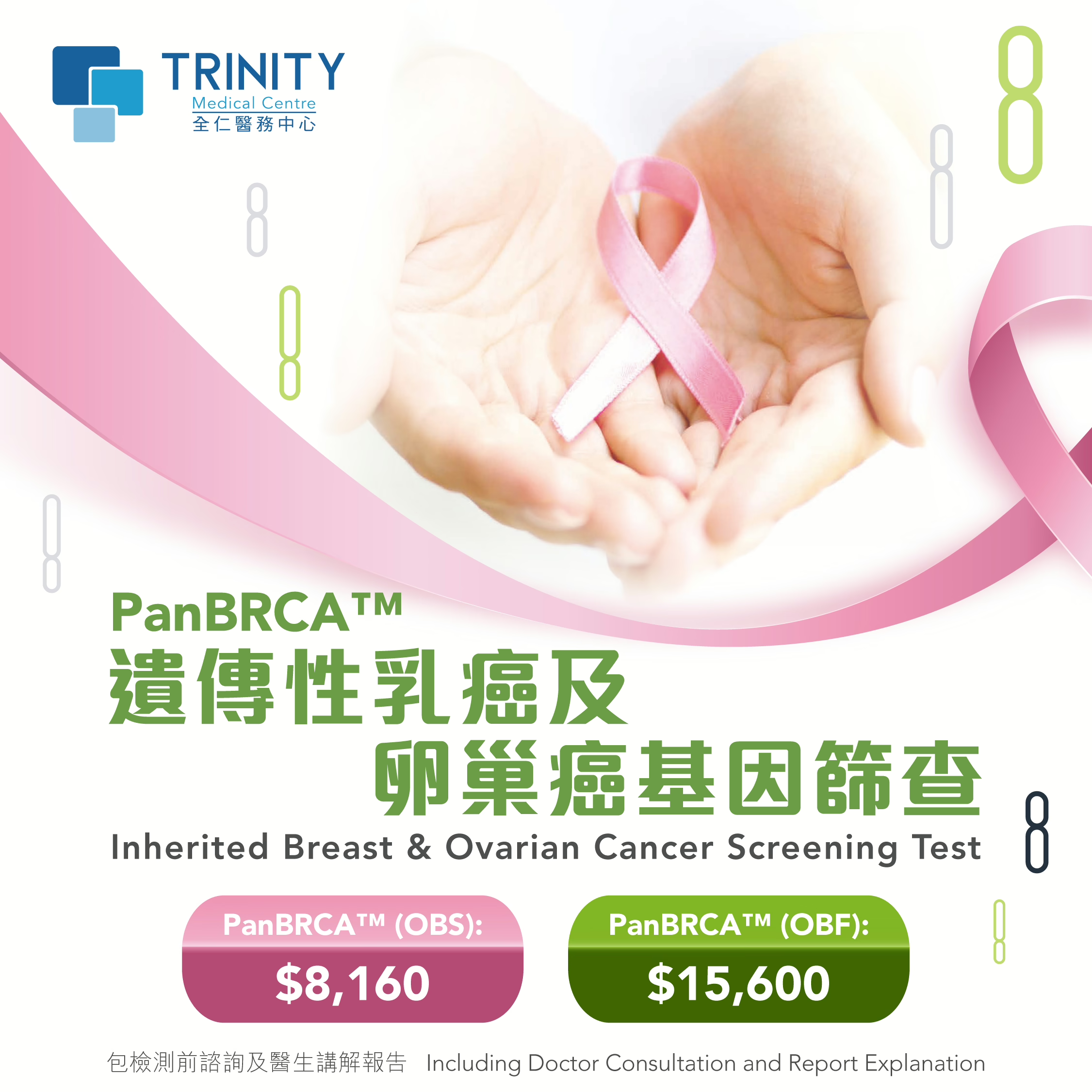
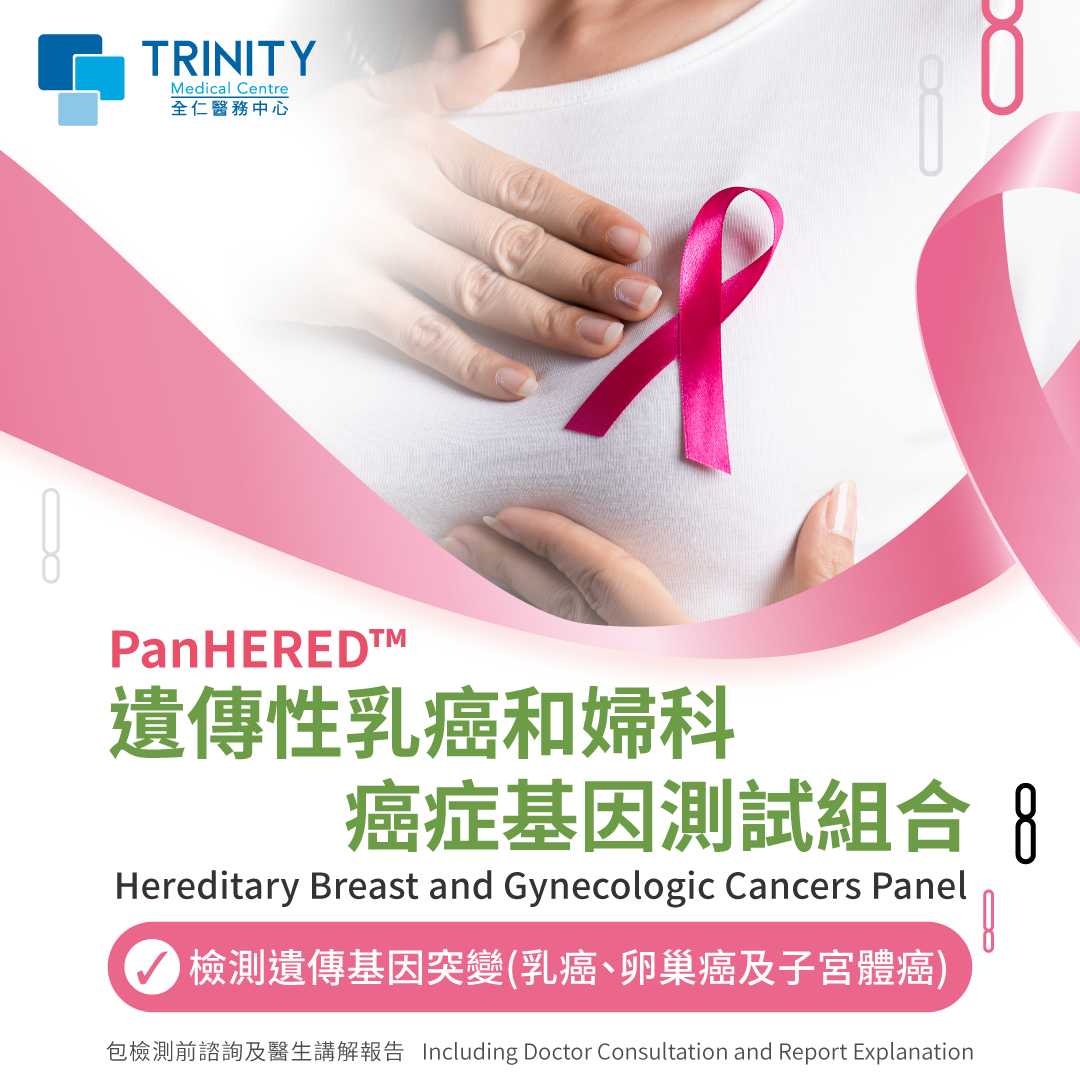
Genetic Test

Key Screening
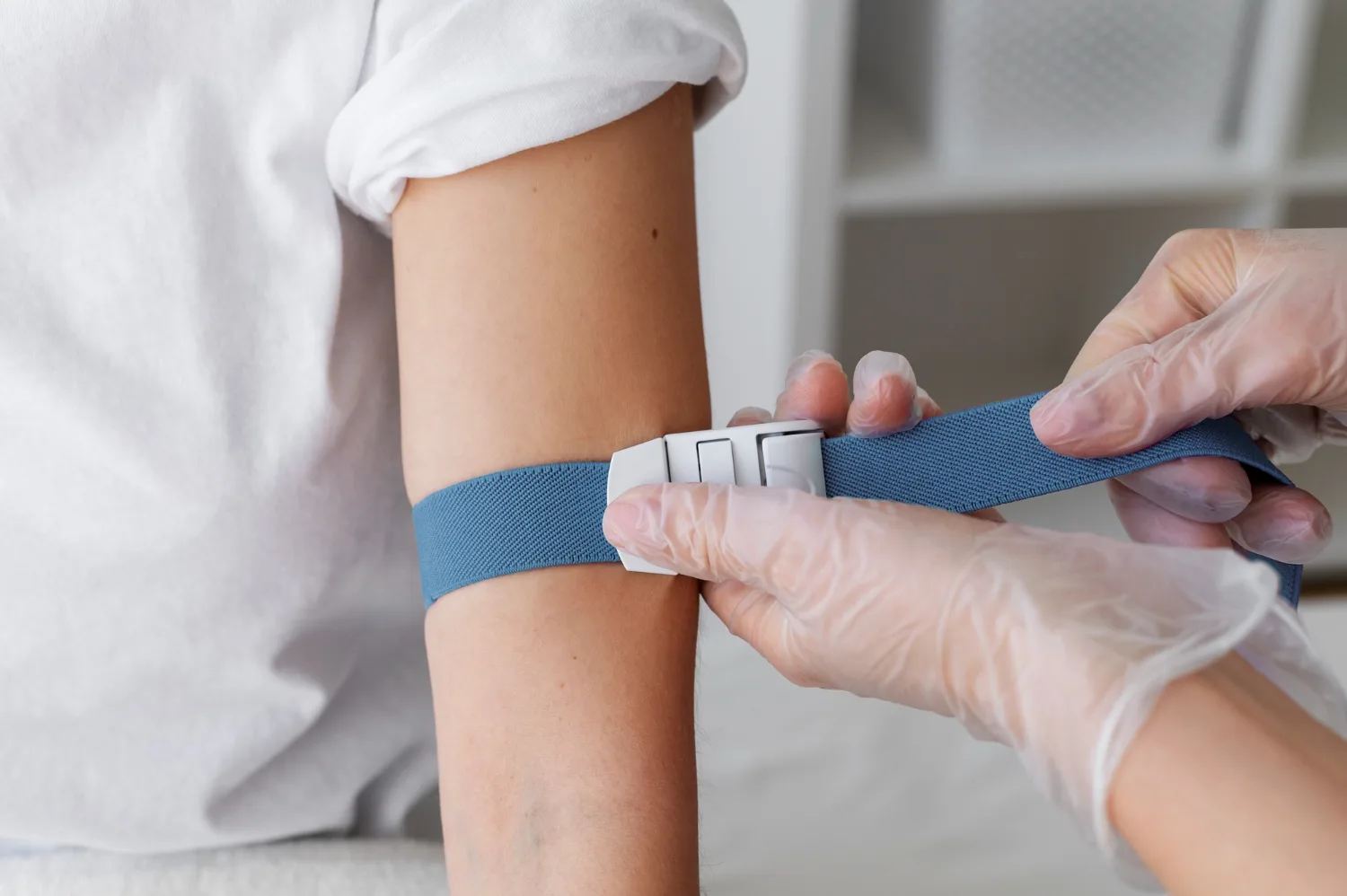
Blood test analysis of gene mutations such as BRCA1, BRCA2, TP53, and PTEN to assess hereditary disease risks like breast cancer. Especially suitable for those with a family history; only needs to be done once in a lifetime.
Potential Conditions Detected
  • Hereditary breast cancer risk
  • Other hereditary diseases related to gene mutations

Cancer Markers

Key Screening
Blood test measuring substances produced by cancer in the body. Elevated levels may indicate cancer cell activity, though early-stage diseases may not yet show abnormalities in blood levels.
Potential Conditions Detected
  • Abnormal cancer-related substances (not effective in detecting early tumours or nodules)

FAQ

At what age should women start having mammograms?

It is generally recommended that women aged 40 or above undergo a mammogram once a year. For high-risk groups (e.g. confirmed carriers of BRCA1 or BRCA2 mutations, or those with a family history of breast cancer), consult your doctor and undergo breast MRI annually.

What are the benefits of genetic testing?

Genetic testing can determine whether you carry high-risk genes (such as BRCA1 or BRCA2 mutations), allowing you to develop personalised screening, prevention, and risk management strategies in advance.

Is breast self-examination useful?

Yes, it is very useful. Women should always pay attention to breast health and be familiar with their normal appearance and texture. During daily routines such as bathing, dressing, or applying lotion, observe any unusual changes (e.g. lumps, changes in size or shape, skin abnormalities, nipple inversion or discharge, persistent discomfort or pain). If abnormalities are found, seek medical advice immediately and arrange imaging tests. Early awareness helps speed up diagnosis and treatment.

Is 2D/3D mammography safe despite radiation?

2D/3D mammography is an internationally recognised screening tool for breast cancer. It can detect tumours or small lesions early. The amount of X-ray radiation used is very low — approximately 0.36 mSv per scan — equivalent to one-eighth of the annual natural background radiation or four round trips between Hong Kong and London by plane.

Information Source

  • 香港衛生署: 關注乳房守護自己
  • 香港乳癌基金會: 乳健檢查問與答

Love Yourself and Your Family — Start with Breast Imaging Check-up

Trinity’s professional medical team is always here for you. Book now to enjoy a premium health check-up experience.

Enquiry Hotline

2192 7022
(Mon–Sat 09:00 – 18:00)

WhatsApp Booking Enquiry

Personal follow-up
Professional Health Consultant Team

24-hour Online Booking

Convenient and Fast
Instant Confirmation
Hide
Select a method
WhatsApp We are here to serve you

You can chat with us in real-time here to inquire about health and disease information and book services. Please enter your name and accept our Terms of Service and Privacy Policy to begin.

24/7 On Call